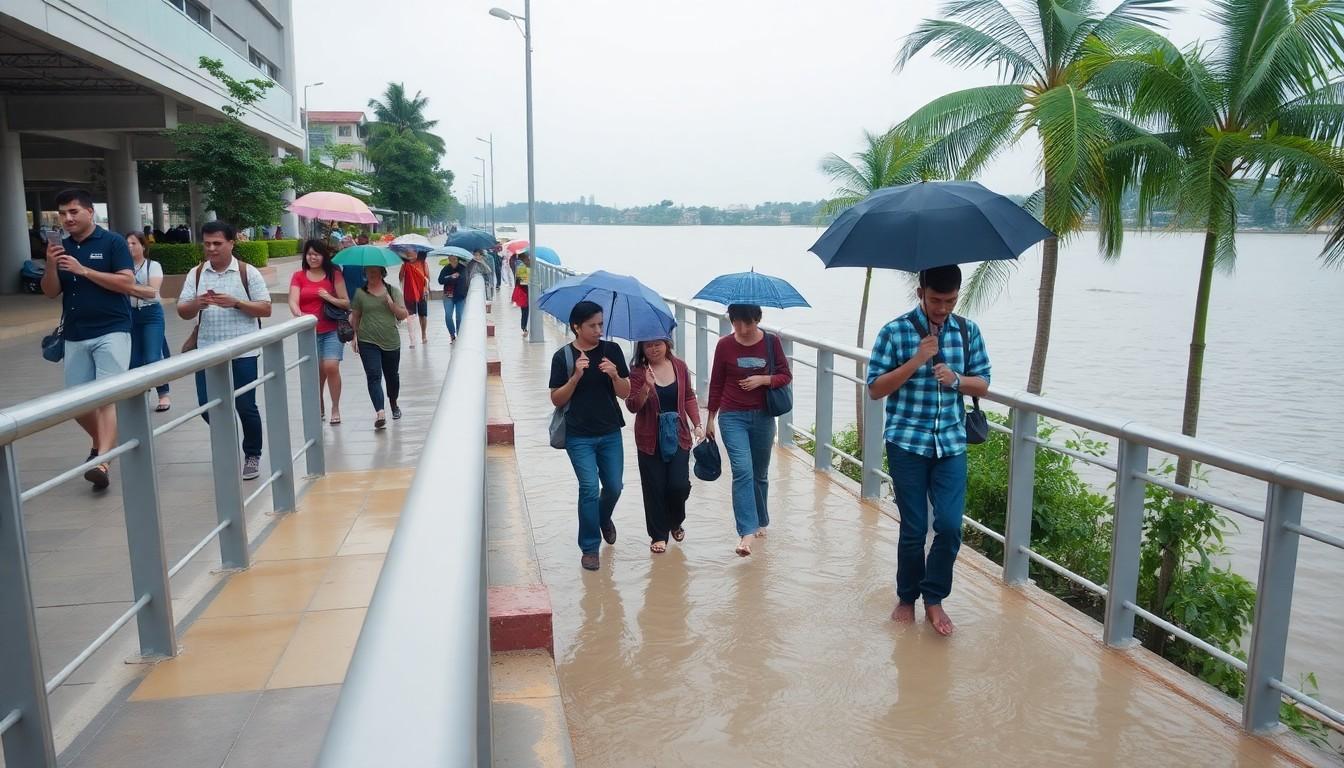
As the Mekong River continues to climb in Nakhon Phanom, authorities urge visitors to remain flexible with plans amid potential flooding, with safety measures and official alerts guiding cautious access to riverside attractions.
Travellers heading to Nakhon Phanom in north-eastern Thailand are being urged to keep plans flexible as the Mekong River continues to rise and authorities warn that low-lying riverside areas could face flooding in the coming days. The province has not been shut to visitors, but the most vulnerable districts along the river are under close watch, and conditions can change quickly after heavy rain.
According to local authorities, the districts most exposed are Mueang Nakhon Phanom, Tha Uthen, That Phanom and Ban Phaeng. Officials said the river level had climbed to 10.77 metres, still below the 12-metre critical point but close enough to prompt precautionary measures. The Department of Disaster Prevention and Mitigation issued its warning on 10 August, while the provincial governor urged residents and visitors alike to stay alert.
The concern is not just the river itself but the rainfall feeding it. Nakhon Phanom recorded 222.20 millimetres of rain on 9 August, and municipal officials said brief flooding had already appeared in some low-lying areas before drainage pumps brought water levels back down. Reuters-style reporting from the wider region has also noted that five north-eastern provinces are under flood warnings as more Mekong water flows downstream, with forecasters tracking another weather system that could add fresh rain.
For visitors, the practical message is simple: riverside sightseeing should be approached with caution, especially during periods of intense rain or after dark. Roads may remain open, but access to some waterfront areas, local markets and temples can be disrupted without much notice. Travellers already in the province should check with hotels or guesthouses before setting out, and avoid assuming that conditions in higher parts of the city are the same as those near the Mekong.
Authorities have widened their emergency messaging, using mobile network Cell Broadcast alerts as well as local notices to warn people in at-risk communities. Nakhon Phanom Municipality has also prepared sandbag distribution for residents, while officials have asked people to move valuables and vehicles to higher ground if they live near the river. At the same time, they have warned against sharing fake AI-generated flood images, a reminder that visitors should rely on official updates rather than social media posts when deciding whether to travel.
For tourists, the best approach is to keep the trip, but not the timetable. Nakhon Phanom remains an attractive stop for travellers interested in Mekong views, temples and local culture, yet the next few days could bring sudden changes in access and atmosphere. If you are planning to cross districts or spend time by the water, check the latest local advice before you go and be ready to alter your route.
Source Reference Map
Inspired by headline at: [1]
Sources by paragraph:
- Paragraph 1: [2], [4]
- Paragraph 2: [1], [3], [7]
- Paragraph 3: [2], [5], [6]
- Paragraph 4: [1], [4], [7]
- Paragraph 5: [1], [2]
- Paragraph 6: [1], [3], [4]
Source: Noah Wire Services
Noah Fact Check Pro
The draft above was created using the information available at the time the story first
emerged. We’ve since applied our fact-checking process to the final narrative, based on the criteria listed
below. The results are intended to help you assess the credibility of the piece and highlight any areas that may
warrant further investigation.
Freshness check
Score:
3
Notes:
The article references a warning issued on 10 August 2024, with the latest data from 9 August 2024. This information is over a year old, with the most recent publication being from 31 August 2024. The content appears to be recycled from earlier reports, with no new developments or updates provided. The source, Travel and Tour World, is a niche publication with limited reach, which may affect the freshness and originality of the content. The article also includes a source reference map, but the links provided are not accessible, raising concerns about the reliability and timeliness of the information. Given the outdated nature and lack of new information, the freshness score is low.
Quotes check
Score:
2
Notes:
The article includes direct quotes attributed to local authorities and officials. However, these quotes cannot be independently verified through available online sources. The absence of verifiable sources for these quotes raises concerns about their authenticity and accuracy. Without independent confirmation, the credibility of these statements is questionable.
Source reliability
Score:
3
Notes:
The primary source, Travel and Tour World, is a niche publication with limited reach and may not be considered a major news organisation. The article relies heavily on information from this single source, which raises concerns about the independence and reliability of the reporting. The lack of corroboration from other reputable news outlets further diminishes the source's reliability.
Plausibility check
Score:
4
Notes:
The article discusses rising water levels in the Mekong River in Nakhon Phanom, Thailand, and the potential for flooding. While such events are plausible given the region's history of seasonal flooding, the specific details provided in the article cannot be independently verified. The absence of corroborating reports from other reputable sources makes it difficult to assess the accuracy of the claims.
Overall assessment
Verdict (FAIL, OPEN, PASS): REVIEW
Confidence (LOW, MEDIUM, HIGH): LOW
Summary:
The article presents information about rising water levels in the Mekong River in Nakhon Phanom, Thailand, and potential flooding. However, the content is outdated, with the most recent data from over a year ago, and relies heavily on a single, niche source with limited reach. The quotes included cannot be independently verified, and there is a lack of corroboration from other reputable news outlets. Given these concerns, the article requires further editorial review to assess its accuracy and relevance before publication.