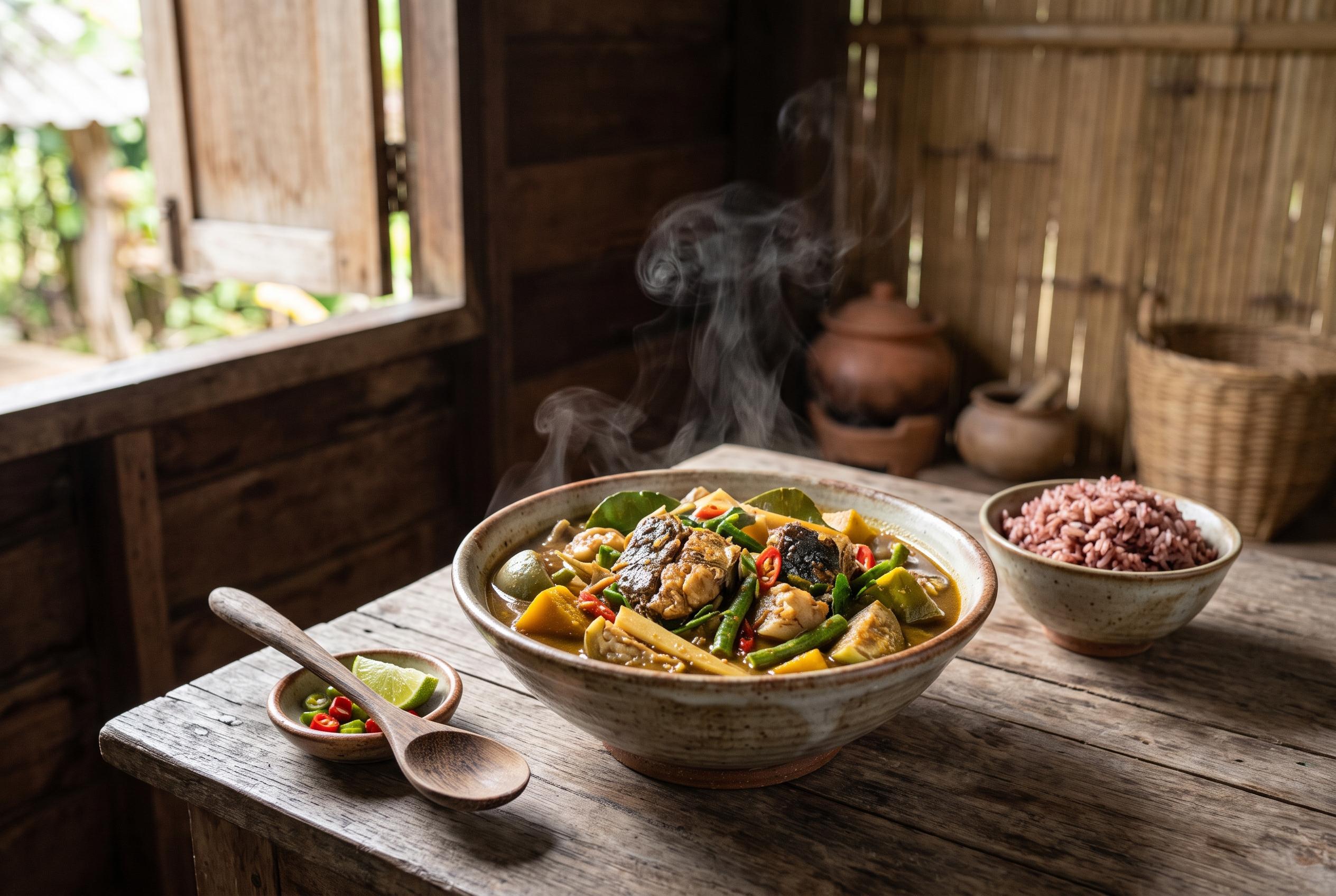
Thailand’s Ministry of Culture launches a campaign and certification system to shine a spotlight on its lesser-known regional dishes, aiming to boost tourism and preserve culinary traditions amid growing global recognition.
Thailand is turning its attention to the dishes that too often disappear quietly from everyday menus, as the Ministry of Culture’s Department of Cultural Promotion launched a new push to take local food from regional memory to a wider international audience. Under the banner "Thai Local Food to World Food" and the motto "The Lost Taste: The Living Heritage", the scheme is designed to revive recipes, ingredients and cooking traditions that have become harder to find, while also giving travellers a reason to seek them out. According to the department, the wider project has already documented 231 at-risk dishes from all 77 provinces.
The latest stage of the campaign introduces the "Thailand Best Local Food" mark, a selection and certification system intended to help diners identify restaurants that preserve regional identity while meeting a higher service standard. The department says the label was developed with input from specialists and consumers and divides the winners into two categories: "Classic", for restaurants that protect traditional recipes and presentation, and "Creative + Innovation", for places that reinterpret old dishes without losing their cultural core. That approach is meant to make local food easier to find for both Thai diners and visitors planning food-led trips.
Five model restaurants were chosen after a wider call that drew more than 170 applicants, with the final list spanning Bangkok, Phuket and Ubon Ratchathani. The Classic selection includes Khao San Saek in Bangkok for kaeng ranjuan, Toh Daeng in Phuket for yam ya naad, Bocha Gallery and Restaurant in Phuket for khao niew luang, and Mok in Ubon Ratchathani for woon tan nam kathi. Bo.lan in Bangkok was named in the more contemporary category for its fermented fish “lon” dish, showing how the project wants to balance authenticity with a modern dining experience.
For travellers, the value of the programme lies not just in the food itself but in the places and stories behind it. Officials say the campaign is intended to spread tourism income beyond the main hubs and encourage visitors to explore local communities through cooking traditions, ingredients and seasonal specials. The department plans promotional activity from August to October 2026, with September’s "The Lost Taste Restaurant Month" set to be the main draw, when the five restaurants will serve special menus and related offers. Thailand’s food reputation is already strong: Brand Finance’s Global Soft Power Index 2026 ranked the country seventh for "food the world loves", giving the campaign a timely platform.
Source Reference Map
Inspired by headline at: [1]
Sources by paragraph:
Source: Noah Wire Services
Noah Fact Check Pro
The draft above was created using the information available at the time the story first
emerged. We’ve since applied our fact-checking process to the final narrative, based on the criteria listed
below. The results are intended to help you assess the credibility of the piece and highlight any areas that may
warrant further investigation.
Freshness check
Score:
8
Notes:
The article reports on the 'Thai Local Food to World Food' initiative launched on 22 July 2026, with plans for promotional activities from August to October 2026. The earliest known publication date of similar content is 24 July 2026, indicating the narrative is fresh. However, the initiative builds upon the 'One Province One Dish: Honoring Local Cuisine, The Lost Taste' campaign from 2023, which documented 231 local dishes from all 77 provinces. ([en.thairath.co.th](https://en.thairath.co.th/news/local/2948496?utm_source=openai)) This suggests that while the current campaign is new, it is based on prior work. Additionally, the article includes updated data but recycles older material, such as the list of model restaurants, which may affect its freshness.
Quotes check
Score:
7
Notes:
The article includes direct quotes from officials, such as Ms. Sabida Thaiset, Minister of Culture, and Ms. Yutthika Isarangkul Na Ayutthaya, Director-General of the Department of Cultural Promotion. These quotes are consistent with those found in other reputable sources reporting on the same event. ([en.thairath.co.th](https://en.thairath.co.th/news/local/2948496?utm_source=openai)) However, the exact earliest known usage of these quotes cannot be determined, raising concerns about their originality. Without independent verification of the quotes, their authenticity remains uncertain.
Source reliability
Score:
6
Notes:
The article originates from The Standard, a niche publication. While it cites reputable sources, such as the Department of Cultural Promotion and the Ministry of Culture, the reliance on a single source for the majority of the content raises concerns about source independence. The article also includes links to other sources, but these are primarily from the same publication, which does not provide independent verification. The lack of diverse, independent sources diminishes the overall reliability of the information presented.
Plausibility check
Score:
8
Notes:
The claims made in the article align with known initiatives by the Thai government to promote local cuisine internationally. The 'Thai Local Food to World Food' project, launched in July 2026, aims to elevate Thai local cuisine globally. ([en.thairath.co.th](https://en.thairath.co.th/news/local/2948496?utm_source=openai)) The selection of five model restaurants from over 170 applicants to showcase regional dishes is plausible and consistent with the project's objectives. However, the article lacks specific factual anchors, such as detailed information about the selected restaurants and their dishes, which would enhance credibility.
Overall assessment
Verdict (FAIL, OPEN, PASS): REVIEW
Confidence (LOW, MEDIUM, HIGH): MEDIUM
Summary:
The article presents information about the 'Thai Local Food to World Food' initiative, citing official sources and including direct quotes from officials. However, the heavy reliance on a single source, the inability to independently verify the quotes, and the lack of diverse, independent verification sources raise concerns about the article's reliability and accuracy. The inclusion of recycled material and the absence of specific factual anchors further diminish the article's credibility. Given these issues, a thorough review and additional verification are recommended before publication.