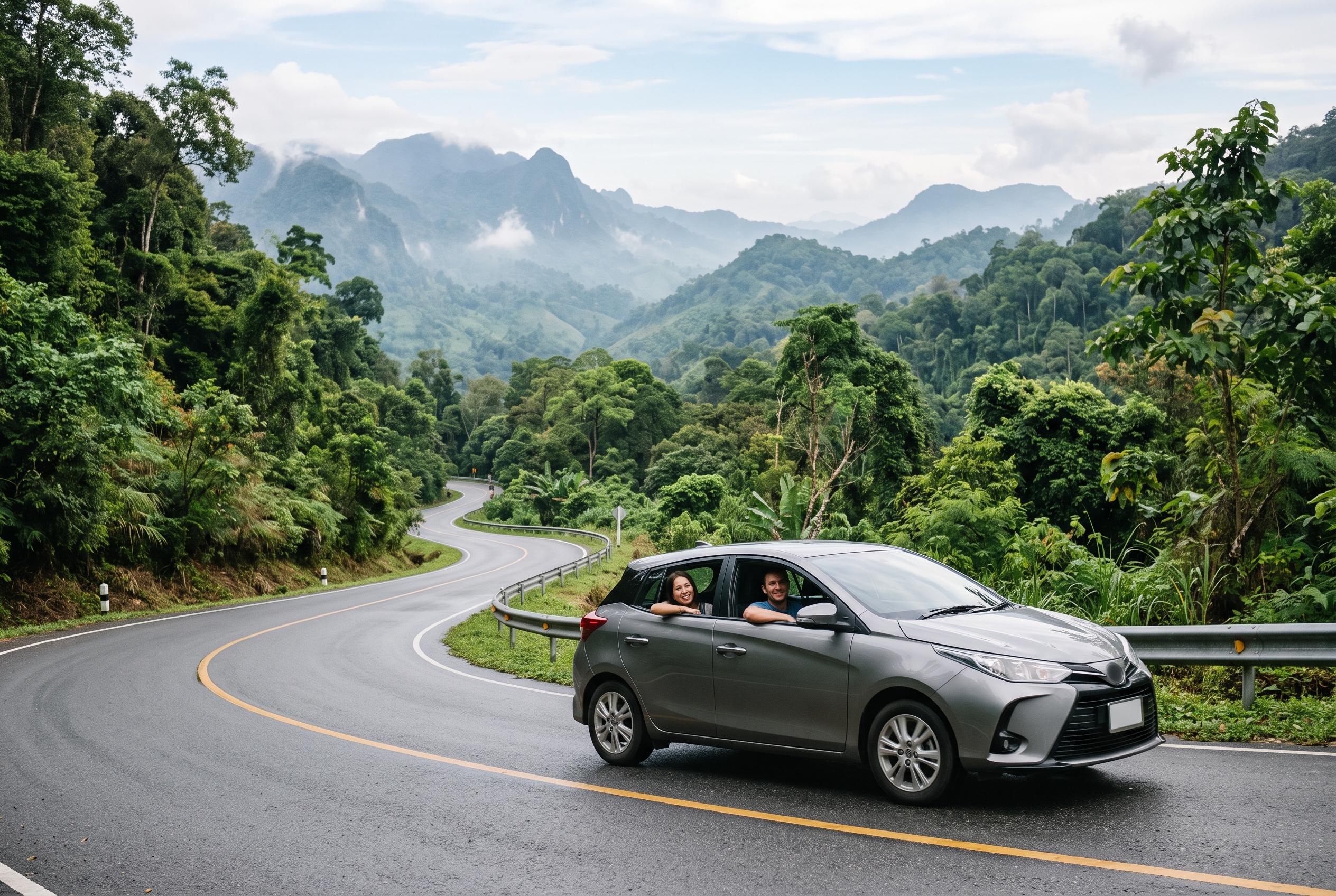
Thailand is shifting its tourism focus from beaches to scenic road journeys and eco-conscious stays, offering travellers a greener and more adventurous way to explore the country’s mountain routes, national parks, and community-driven experiences.
Thailand is increasingly pitching itself as more than beaches and temples, and for travellers this opens up a different kind of holiday: one shaped by the road itself. According to the Tourism Authority of Thailand, the country’s quieter appeal now lies in misty mountain routes, forest stays and nights spent under open skies rather than in another resort by the sea.
The best-known of these journeys is the Mae Hong Son Loop, a roughly 600-kilometre circuit from Chiang Mai that winds through countless bends, hill-country valleys and Shan-influenced towns. Travellers usually need three to five days to do it justice, with stops in Pai for cafés and a relaxed pace, Mae Hong Son town for temple views over the valley, and Mae Sariang on the return leg. Local travel guides say the route is at its most comfortable between November and February, when the air is cooler and the fog can settle dramatically over the hills at dawn.
South of Bangkok, Khao Yai has become the clearest example of Thailand’s new outdoor style. The area around the national park now combines vineyard lunches, farm visits and wildlife drives with a growing choice of glamping sites. Some operators offer proper beds, firepits and breakfast service rather than basic camping kit, which makes the region especially attractive to couples and families who want nature without roughing it. Khao Yai National Park itself remains the anchor, with the chance to spot elephants, hornbills and gibbons adding genuine value to the trip.
Tourism officials are also trying to present this shift as part of a wider move towards greener travel. The Tourism Authority of Thailand has launched TravelGreenThailand.com to promote eco-friendly destinations and community-based tourism, alongside a "Zero Carbon" mobile application intended to help visitors and operators reduce emissions. For travellers, that means Thailand’s off-road appeal is no longer just about scenery; it is also about easier access to low-impact stays, more nature-led itineraries and a stronger reason to leave the usual resort circuit behind.
Source Reference Map
Inspired by headline at: [1]
Sources by paragraph:
Source: Noah Wire Services
Noah Fact Check Pro
The draft above was created using the information available at the time the story first
emerged. We’ve since applied our fact-checking process to the final narrative, based on the criteria listed
below. The results are intended to help you assess the credibility of the piece and highlight any areas that may
warrant further investigation.
Freshness check
Score:
8
Notes:
The article was published on August 25, 2026, making it current. However, the content closely mirrors themes from a similar article published on August 22, 2026, by Jason B. ([destinationsuncovered.com](https://destinationsuncovered.com/thailand-off-the-beaten-path/?utm_source=openai)). This raises concerns about originality, as the earlier piece also discusses Thailand's off-the-beaten-path destinations and experiences. The overlap suggests potential recycling of content, which could affect the freshness score.
Quotes check
Score:
7
Notes:
The article includes direct quotes from the Tourism Authority of Thailand (TAT). While these quotes are attributed, they cannot be independently verified through external sources. This lack of independent verification raises concerns about the authenticity and reliability of the information presented.
Source reliability
Score:
6
Notes:
The article originates from the TAT Newsroom, the official news outlet of the Tourism Authority of Thailand. While this source is authoritative, it is also self-promotional, which may lead to biased reporting. The reliance on a single source without independent corroboration diminishes the overall reliability of the information.
Plausibility check
Score:
7
Notes:
The article presents plausible information about Thailand's off-the-beaten-path destinations and experiences. However, the lack of independent verification and the potential recycling of content from previous articles raise questions about the novelty and accuracy of the claims made.
Overall assessment
Verdict (FAIL, OPEN, PASS): REVIEW
Confidence (LOW, MEDIUM, HIGH): MEDIUM
Summary:
The article presents current information about Thailand's off-the-beaten-path destinations. However, concerns about originality due to similarities with a recent article, lack of independent verification of quotes, reliance on a self-promotional source, and potential recycling of content suggest the need for further editorial review before publication.