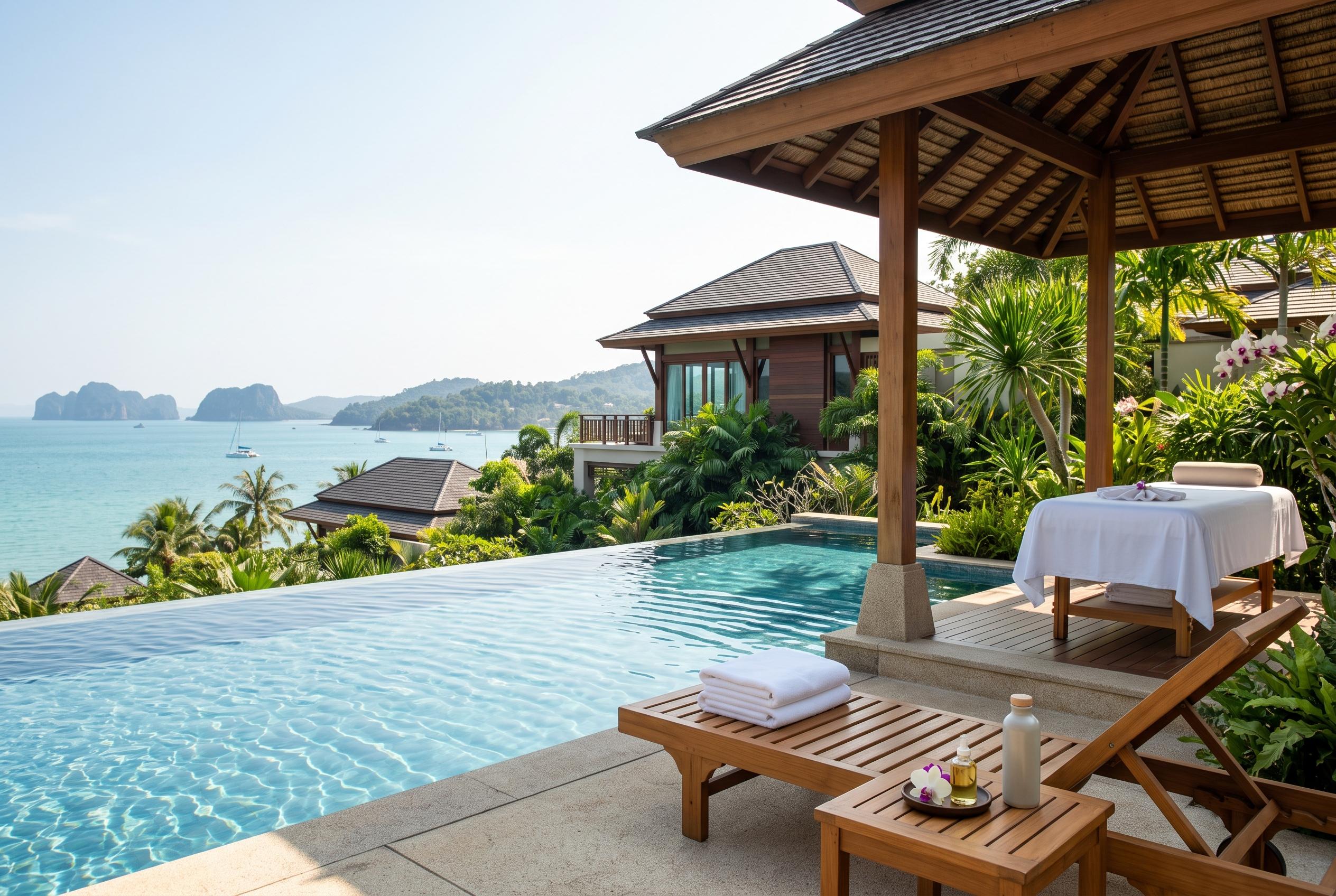
Phuket is being recast as more than a beach break as Thailand’s wellness market gathers pace, with the island moving deeper into the business of preventive health, fitness and longer-stay lifestyle travel. The Global Wellness Institute says Thailand’s wellness economy rose from $38.8 billion in 2023 to $42.7 billion in 2024, a jump of 36.4% that it says was roughly three times the global average. Wellness tourism spending alone reached $14 billion, putting Thailand 15th worldwide and ninth in Asia-Pacific.
That momentum helps explain why Phuket will host the 20th anniversary of the Global Wellness Summit in November 2026. According to the Global Wellness Institute, the event is expected to draw more than 600 delegates from over 30 countries, giving the island a rare global spotlight at a time when wellness travel is becoming a more important part of Thailand’s tourism offer.
For travellers, the shift matters because Phuket’s wellness scene is no longer limited to spa resorts and yoga breaks. The island now spans a wider mix of experiences, from meditation retreats and Muay Thai training to detox and fasting programmes, fitness transformations and more clinical longevity treatments. The Global Wellness Institute says Thailand’s appeal is rooted in a long-standing culture of wellbeing, supported by strong tourism, healthcare and medical tourism sectors.
The fastest-growing niche is the longevity and preventive-health side of the market. Phuket clinics are increasingly marketing biomarker testing, NAD+ treatments, hormone optimisation and peptide therapies, and the island’s medical infrastructure gives many visitors confidence that such services are delivered in a more established environment than in many competing destinations. For some travellers, price is also a draw: similar treatments can cost substantially more in the United States, Britain and Australia.
According to the Global Wellness Institute, international wellness travellers also tend to spend more and stay longer than conventional holidaymakers, making them especially valuable to local hotels, restaurants and service providers. It estimates the average wellness trip at about $1,668, roughly 36% more than a standard journey, which helps explain why destinations are racing to position themselves in this market.
Yet the rapid expansion has also exposed a practical problem for visitors: reliable, independent guidance is thin on the ground. Much of the online information about Phuket’s wellness offers has been created by providers themselves, often with a strong promotional slant. An editorial platform focused on the island’s wellness sector says it aims to fill that gap with comparisons, reviews and travel advice covering everything from clinic choices to visas, transport, seasonal timing and costs.
Michael Hixson, who edits that platform and has lived in Phuket since 2022, argues that the information gap is especially important where travellers are weighing medically sensitive decisions. He said in a statement: "Travelers are making decisions about medically significant programs , extended fasting, hormone therapy, clinical detox , based largely on marketing material written by the providers themselves. Independent comparison of what is actually available, at what cost, and who each program genuinely suits, has been almost entirely missing."
For travellers considering Thailand, Phuket’s new pitch is clear: it is no longer just somewhere to lie on a beach. It is becoming a destination where a holiday can be combined with recovery, training, lifestyle change and, for some, more advanced health interventions. With the Global Wellness Summit due in the island later this year, that shift is likely to attract even more international attention.
Source Reference Map
Inspired by headline at: [1]
Sources by paragraph:
- Paragraph 1: [2], [7]
- Paragraph 2: [2], [3]
- Paragraph 3: [4], [5]
- Paragraph 4: [2], [7]
- Paragraph 5: [2], [5]
- Paragraph 6: [1]
- Paragraph 7: [2], [3]
Source: Noah Wire Services