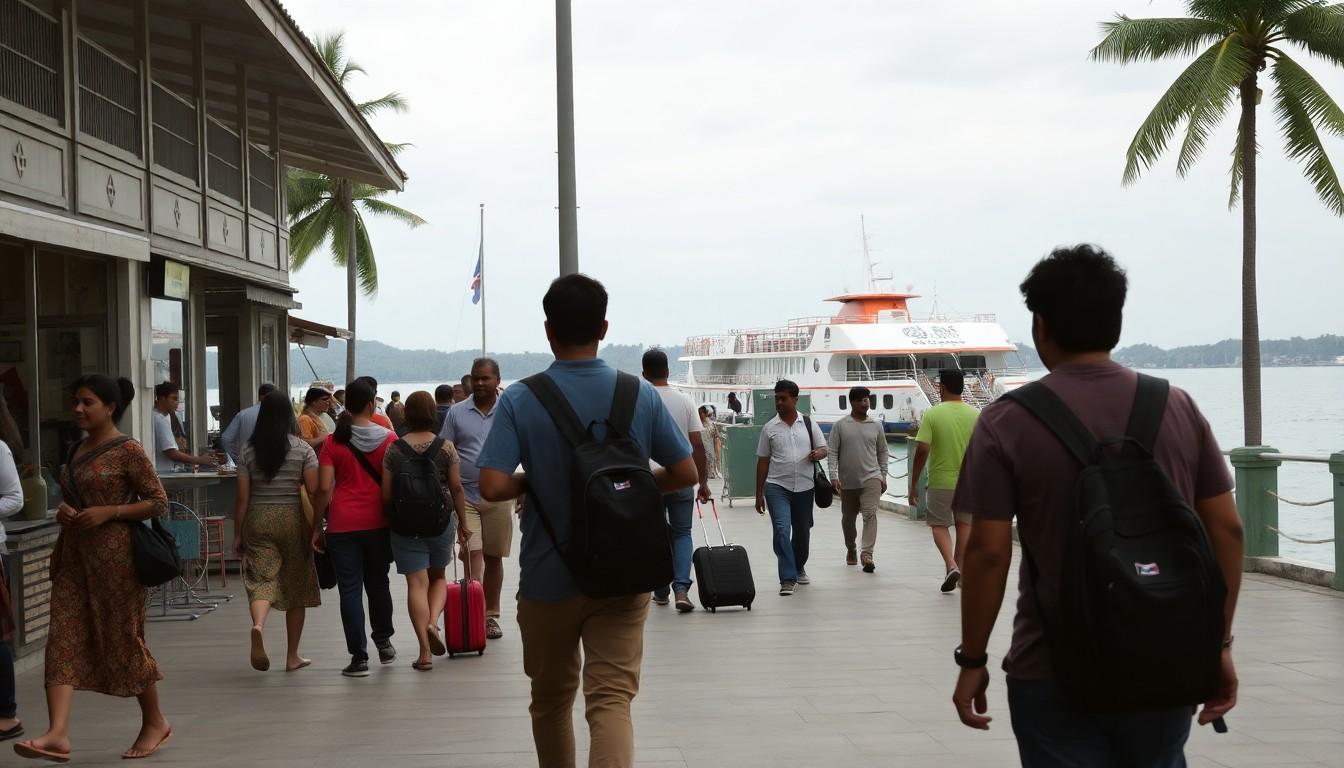
For most travellers, the sweet spot for the Andaman Islands is the long dry stretch from October to March, when seas are calmer, ferries are more dependable and the usual round of beach and marine activities runs with far fewer interruptions. That is the broad consensus across travel guides from Tripbase, TravelDojo and SOTC, and it matches the practical advice repeated by local booking sites: if you want the smoothest island-hopping and the broadest choice of things to do, this is the safest window.
What makes that period so appealing is not just the weather but the ease of getting around. With lower rainfall and gentler seas, journeys between Port Blair, Swaraj Dweep and Shaheed Dweep are less likely to be thrown off course, which matters if your trip depends on ferries, scuba bookings or a tightly planned honeymoon itinerary. It is also the time when snorkelling, kayaking, sea walking and glass-bottom boat trips are most likely to operate as expected, according to the month-by-month guides from Andaman Travel Booking and Book Andaman Activities.
The trade-off is price. December and January are the busiest months, particularly around Christmas and New Year, when flights and hotels can jump sharply and popular beachfront stays sell out quickly. Even the more moderate months in the dry season can become expensive if you book late, especially for long weekends and school holidays. For travellers who want the best balance of comfort and value, November, February and March are often the most sensible choices.
April and May sit in a useful middle ground. Travel sites including Tropical Andamans and Tripbase describe them as shoulder months, when the weather is still good enough for diving and snorkelling, but the crowds thin out and room rates start to ease. April is especially attractive for travellers who do not mind hotter afternoons in exchange for quieter beaches and better visibility underwater, while early May can still feel manageable before the monsoon edge arrives.
From June to September, the islands change pace completely. Heavy rain, humidity and rough seas can disrupt ferries and limit water sports, so this is the least reliable period for anyone hoping to move quickly between islands or spend most of their time in the water. Still, the monsoon season has its own appeal: accommodation is cheaper, the islands are greener, and Port Blair remains open for museums, local sightseeing and slower, more weather-tolerant trips. For budget-conscious travellers with flexible plans, that can make the off-season worthwhile.
September is worth noting as a transitional month. Several guides suggest that conditions gradually improve towards the end of the month, with calmer seas and fewer showers than in July or August. If you are aiming for lower prices without giving up all hope of island transfers or diving, late September can be a smarter bet than the middle of the monsoon.
In practical terms, the Andamans reward travellers who match their expectations to the season. If your priority is beach time, marine activities and straightforward logistics, October to March remains the best bet. If you care more about saving money and avoiding crowds, the shoulder months can offer better value. Either way, booking early is wise, because ferry seats, popular resorts and the most convenient flight connections can all tighten quickly once the season swings into gear.
Source Reference Map
Inspired by headline at: [1]
Sources by paragraph:
- Paragraph 1: [2], [5], [7]
- Paragraph 2: [3], [6]
- Paragraph 3: [1], [4]
- Paragraph 4: [2], [4]
- Paragraph 5: [1], [5], [7]
- Paragraph 6: [3], [6]
- Paragraph 7: [1], [2], [4]
Source: Noah Wire Services