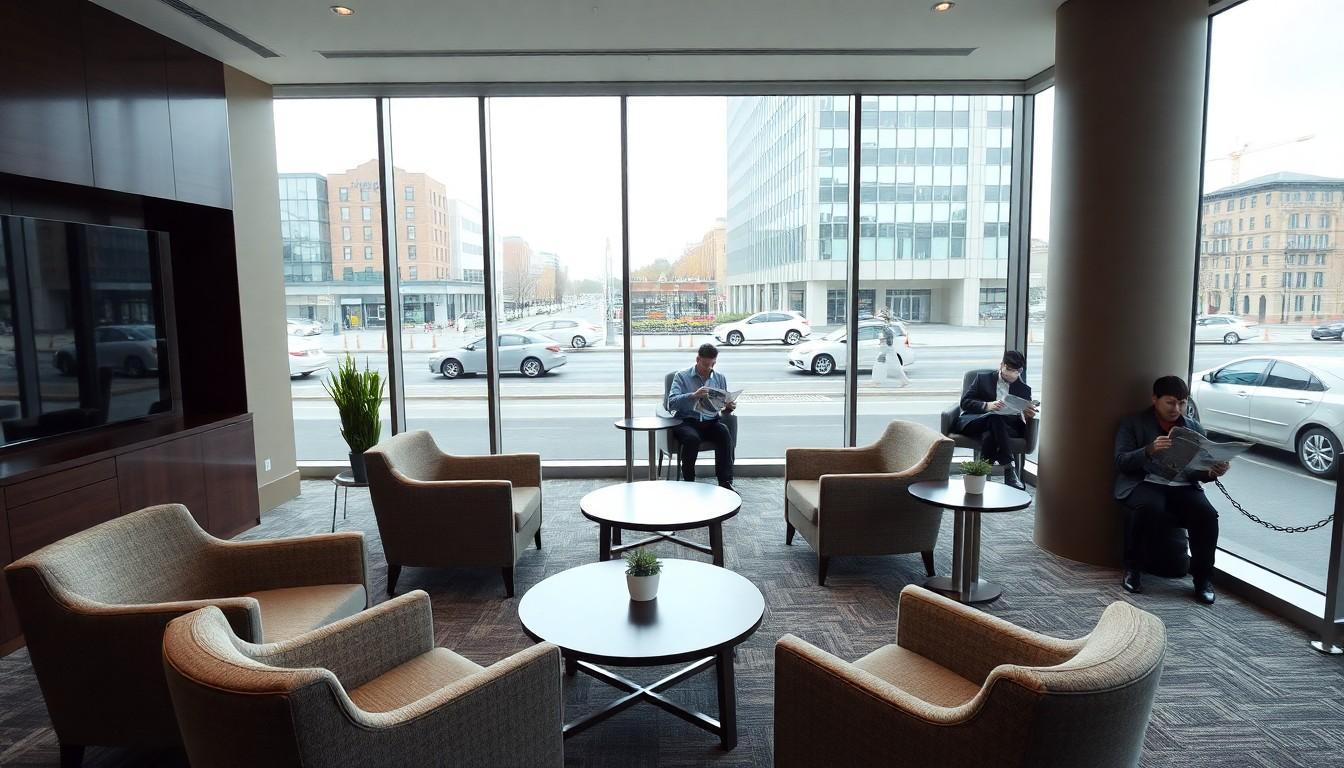
Hotel Club Lounge access can be excellent value, but only when the room is used as more than a place to sleep. The best lounges offer a private arrival, quiet breakfast, afternoon tea, proper evening drinks and somewhere to work or regroup away from the lobby. At the same time, the supplement can run from roughly $60 to more than $600 a night, so the decision is as much about arithmetic as it is about comfort.
What separates a worthwhile lounge from an expensive extra is consistency. A strong Club floor changes the rhythm of a stay: coffee without queues, a calmer start to the day, a place to return before dinner and staff who can help with practical details. A weak one is little more than a room with a snack tray, which is why the brand name alone tells only part of the story.
Across the luxury market, the most reliable high-end model is still Ritz-Carlton’s Club Level, which typically includes five daily food and drink presentations and dedicated concierge service. Fairmont Gold remains one of the clearest value propositions because it often combines private check-in, lounge breakfast and evening canapés at a more moderate premium. Rosewood’s Manor Club and Mandarin Club can feel more exclusive and residential, but they are property-specific rather than standard across every hotel in those brands.
That variation matters because access rules differ widely by chain and by hotel. According to guides to Hyatt, Hilton and IHG lounge policies, access may come through a club room, a suite, or elite status in a loyalty programme, and not every property offers the same benefits. Some hotels also restrict alcohol service, limit children at certain times, or offer restaurant breakfast only in some categories, so the confirmation details need checking before booking.
Among the most compelling individual lounges, Rosewood Hong Kong’s Manor Club stands out for privacy, harbour views and a residential feel, while The Ritz-Carlton, Hong Kong turns height and a full-day food schedule into a genuine experience. The Langham in London and Chicago leans into breakfast, tea and evening drinks in a way that suits both couples and business travellers. In Hong Kong, Mandarin Oriental’s club product is prized for polished service, while Grand Hyatt Tokyo and Island Shangri-La offer especially practical versions for work-heavy city stays.
Resorts can make the case differently. Jumeirah Al Naseem’s lounge works best when it fits naturally between the beach, pool and room, while Fairmont Pacific Rim and Fairmont Doha show how Gold access can add a calmer layer to a busy or scenic city stay. At the more business-focused end, Jumeirah Emirates Towers and The Ritz-Carlton in DIFC are strongest when the lounge acts as a useful extension of the working day rather than as a replacement for restaurant dining.
The value test is straightforward. Start with the nightly premium, then subtract what you would genuinely buy anyway. For two guests, breakfast, afternoon tea and evening drinks can easily justify a moderate uplift, especially if the lounge also saves time and provides a better place to work. But if breakfast is already included through a booking platform, or if the trip is built around restaurants, sightseeing or meetings outside the hotel, the standard room may be the smarter choice.
Families and business travellers usually extract the most from Club access because they are more likely to use the lounge more than once a day. Families gain a predictable place for breakfast and snacks, while business travellers benefit from quick check-in, a quiet table and a reliable evening wind-down. Guests on short stopovers can also see value, but only if the premium is reasonable and the lounge meaningfully reduces friction.
The real question is not whether Club access is universally worth it, but whether it is worth it for that stay, that room and that rate. When the lounge is genuinely part of the trip, it can transform the experience. When it is just a costly add-on, the same money is often better spent on a better room, a stronger view or benefits that are already included.
Source Reference Map
Inspired by headline at: [1]
Sources by paragraph:
- Paragraph 1: [2]
- Paragraph 2: [2], [3]
- Paragraph 3: [2]
- Paragraph 4: [3], [4], [5], [6]
- Paragraph 5: [2]
- Paragraph 6: [2], [5], [6]
- Paragraph 7: [2], [3]
- Paragraph 8: [2], [3]
- Paragraph 9: [2], [3], [4], [5], [6], [7]
Source: Noah Wire Services